
Swap the shell. Keep the self.
When a robot's body fails or its operator changes, the learned self shouldn't die with it. Frame carries one identity (memory, behavior, reputation) across any body. Portable soul, swappable shells.

- id:
- self://frame.0x4f2e…a017
- version:
- self.v3
- memory:
- 1,284 episodes · intact
- behavior:
- history carried
- attestation:
- verified · base · erc 8004
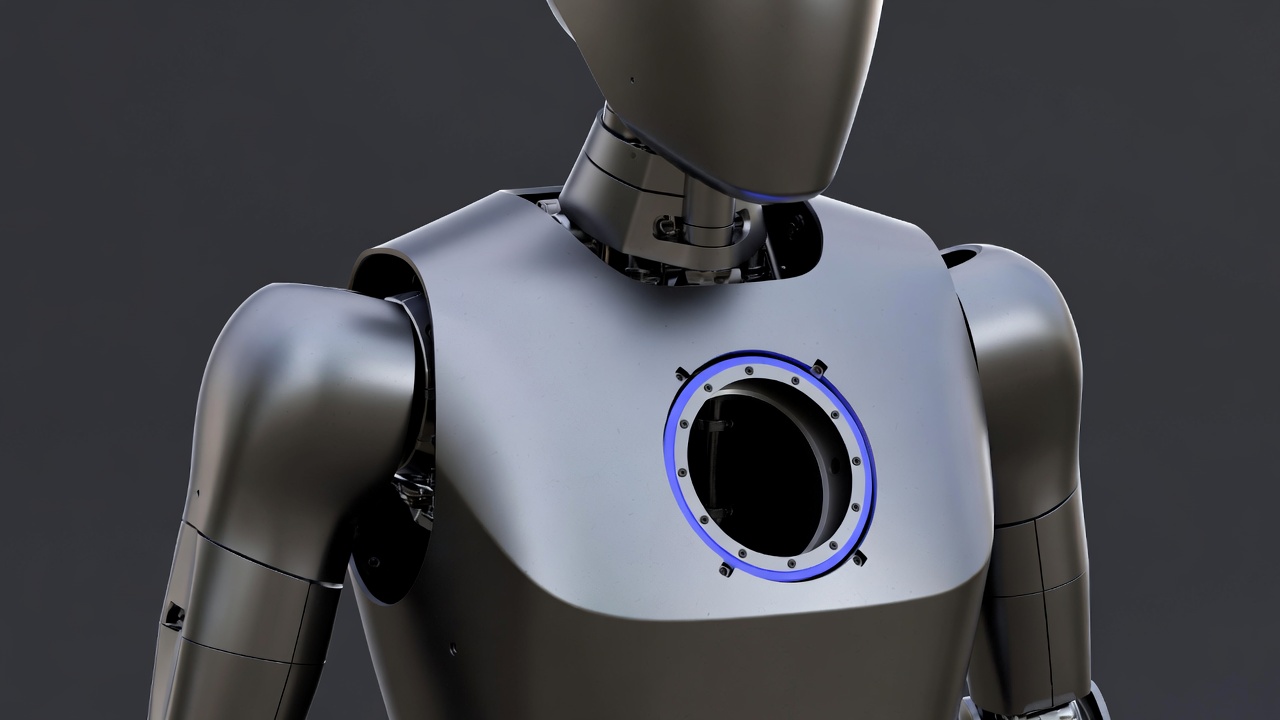
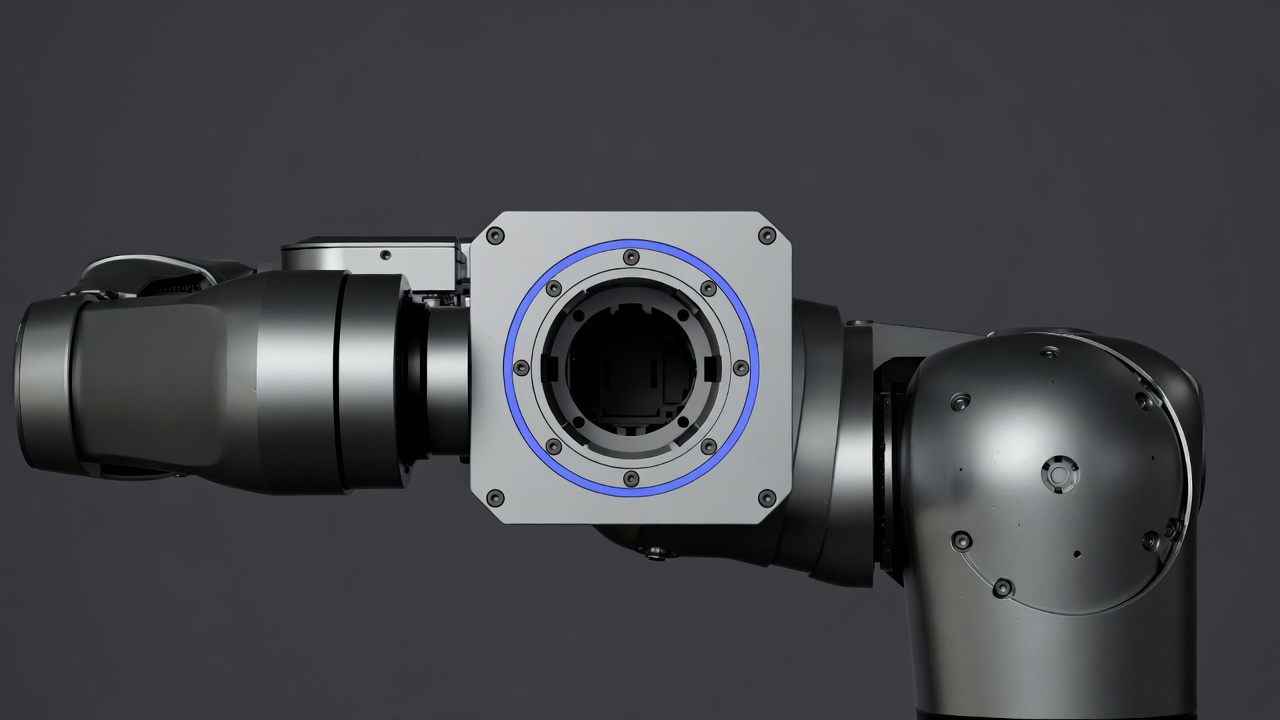
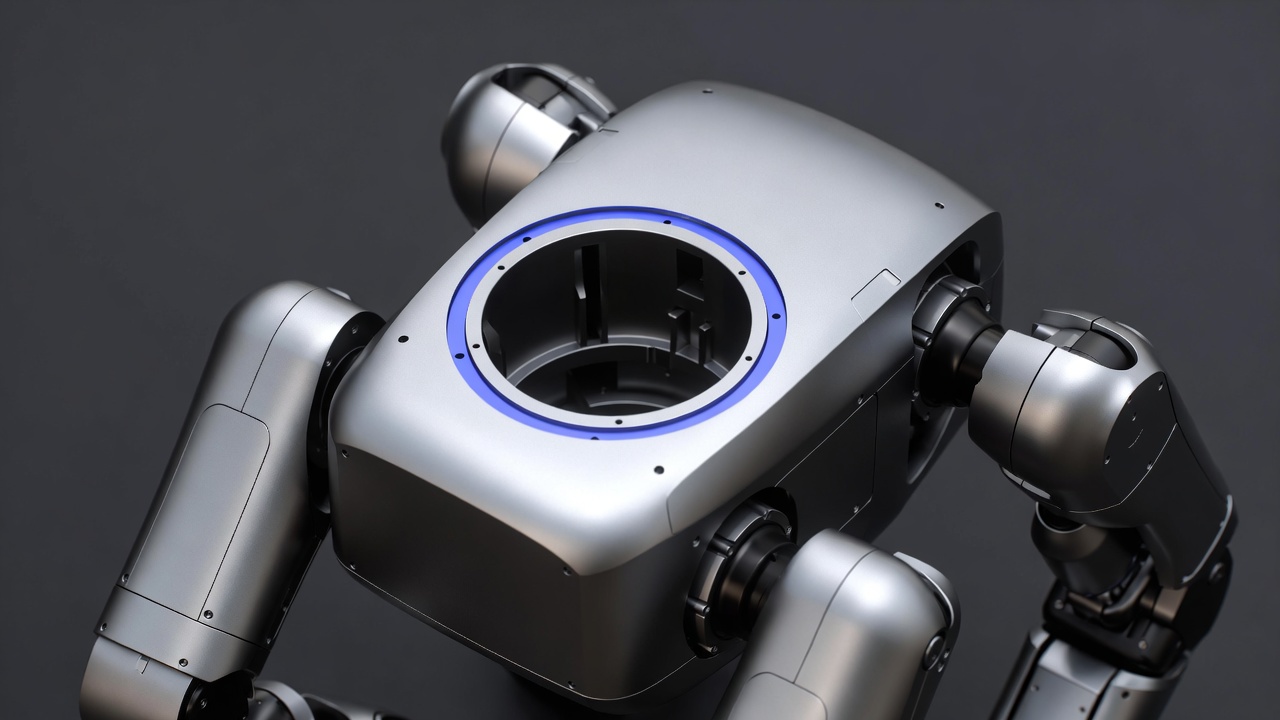
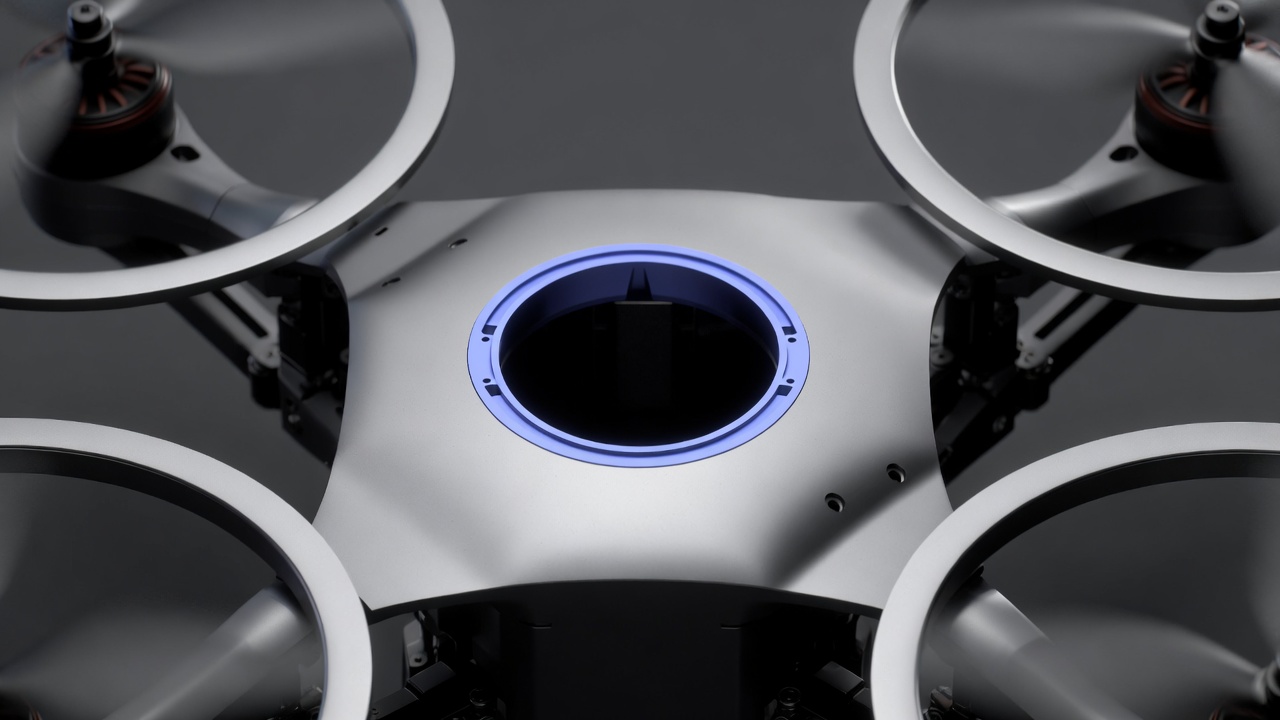
the body changes. the self doesn't.
Bodies are swappable. The self wasn't.
Physical AI is scaling fast: one set of weights runs across many bodies, fleets are shipping (Unitree ~5,500 units in 2025; Figure runs commercial at BMW), and bodies are already hot swapped in minutes.
Onchain identity went live too: ERC 8004 launched Jan 2026 and drew 30,000+ agent registrations in days. But it standardizes identity and reputation, explicitly NOT memory or behavioral continuity across deployments.
So there's a seam nobody owns: when a chassis fails or an operator changes, nothing carries the learned self. Agent memory deprecations have already broken production agents, proving that amnesia on migration is a live failure mode. Frame closes that seam.
What Frame is.
Memory portability
Replayable, versioned memory that survives a body swap or operator change instead of being rebuilt from scratch.
Identity versioning
Explicit semantics for an identity transition, including when a moved identity still counts as the same self.
Behavioral continuity
Learned personality and behavior history travel with the self, not with the chassis or the wallet key.
Cross embodiment, cross operator
One identity spans heterogeneous bodies and operators. Portable soul, swappable shells.
The day a robot dies and wakes up in a new body. The same self.
Unit A's chassis fails on the floor; its self respawns intact in Unit B. Memory, behavior, and reputation travel with it, not with the dead body.
Where Frame fits.
Standards like ERC 8004 identify the agent.
Hardware bound schemes identify the robot.
Single vendor brains only work inside one fleet.
Frame claims the unowned seam: cross vendor, cross embodiment continuity. Embodiment is hardware; identity is the protocol. Frame extends the identity stack. It doesn't fight it.
$FRAME
Launching on Virtuals (Base). $FRAME powers the continuity network.
What is Frame?
A cross embodiment continuity layer: a protocol that carries memory, behavior history, and learned personality across robot bodies and operators, so one self can swap shells without starting over.
How is this different from ERC 8004?
Frame extends it. ERC 8004 standardizes onchain agent identity and reputation, but explicitly NOT memory or behavioral continuity. Frame adds the layer ERC 8004 doesn't cover.
Is there a product yet?
Prelaunch. We're building the primitives (memory portability, identity versioning, behavioral continuity) and launching $FRAME on Virtuals (Base).